
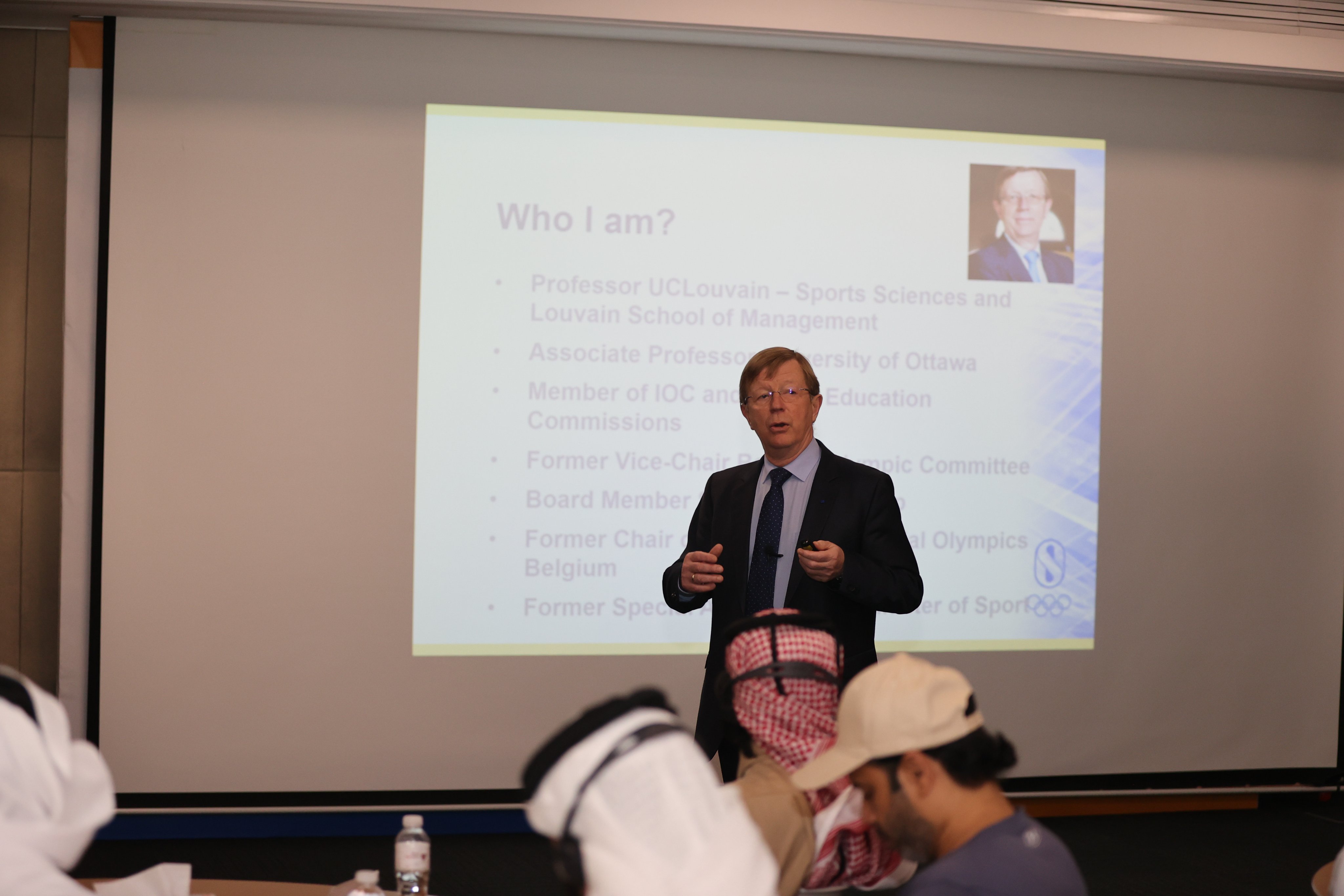
Doha: Today, Thursday, at the headquarters of the Qatari Olympic Academy, the lectures of the second chapter of the Advanced Diploma Programme for the Management of Sports and Olympic Institutions, entitled "Strategic planning," which was given by Professor Thierry Zent, Dean of the Faculty of Sports Sciences of the University of De Louvain, Belgium, and the Executive Director of the MEMOS Professional Master's Programme of the International Olympic Committee. Professor Zent also holds several positions in the sports field, serving as Vice-Chairman of the Belgian Olympic Committee and member of the World Shooting Board on the European continent. Professor Thierry Zent received a Ph.D. in physical education (Department of Sports Organizations) from the University of De Louvain (Belgium) in 2004, and since 2005 he has been teaching the subject of sports management at the same University. In addition, he is a visiting lecturer at the University of Poitier and the University of ISESCO in Paris, as well as a researcher in sports management (published several articles and two books on the subject). Lectures covered theoretical and practical sessions in which the Professor addressed a number of important themes in the areas of strategic planning, where planning was known to seek the best possible alternatives for achieving a specific goal within a specified period of time and within the possibilities available under the circumstances. The strategy must move us from our current position to what we aspire to be. The strategy is the road map that we have reached, has a specific goal and direction, when, where and why, and must cover what needs to be done, who must do so, and link values to vision and how it is done. The panellists explained that strategic management should be represented by processes of five simple steps: preparation, diagnosis, objectives, planning and evaluation, adding that preparation for the strategy process included a number of questions, which were why a strategic plan was needed. They are represented by internal and external factors, and how do they continue to develop this plan? It is done through (information-gathering - identification of participants - outsourcing) and how much time is required to implement the strategic planning process? What budget do you have for strategic planning? During the lecture, he described a model of strategic plans, presenting the New Zealand Olympic Committee ' s strategy and how the Committee had developed its work framework (the performance summit) as a guide to their subsequent planning. He explained that ensuring that the work of the New Zealand Olympic Committee would remain a top-performing institution at the end of the planning process, working to disseminate the principles of performance summit performance among the federations and members involved in the development of the strategic plan, and ultimately ensuring that the Olympic Committee would complete a clearly defined plan with clear leadership for its future direction. In strategic planning, the Professor added that we should work on the diagnostic aspects leading up to the preparation of the strategy plan to diagnose the environment of the sports institution by identifying partners and stakeholders (members of the General Assembly, members of the Board of Directors, staff, volunteers, athletes, parents, governors, relevant government institutions, donors, pastoralists and the media). Professor Zent also stressed that internal and external analysis should be carried out, explaining which sports institutions often use SWOT analysis, which relies on the identification of strengths, weaknesses, opportunities and risks. The minutes address the elements of the strategic plan, namely vision and values, by defining the vision, values and aspirations of the organization, by declaring the task by determining what you must do to achieve your vision, by setting strategic objectives as they define the visions, values and mission that can be achieved. The fourth element is the development of action plans, which determine the ways in which your vision, mission, values and goals are achieved. The plans of action cover the main services and products of the organization, emphasizing that ensuring the success of Asian elections and teams worldwide has made football a single number on the Asian continent. The strategy ' s objectives are addressed in the minutes below. The strategy ' s objectives are linked to a specific objective. Action plans must include these questions in each action plan: what actions and changes will occur? How will the work or changes be carried out? And who's gonna implement these changes? And when will it happen, and how long will it take? The minutes also addressed the importance of oversight and evaluation in strategic plans: the final step, two central elements of the strategic planning process for sports institutions and a core responsibility of the board of directors without which work would not advance. Turning to the performance indicators in the strategic plans, he said: the key performance indicators were the unit of measurement through which to assess whether I had achieved the objectives, for example, the results indicators for athletes, the number of athletes selected, the support programmes for athletes and trainers, and the increase in the number of members. The key performance indicator may be ten athletes getting medals at a local tournament.
أكثر الأخبار
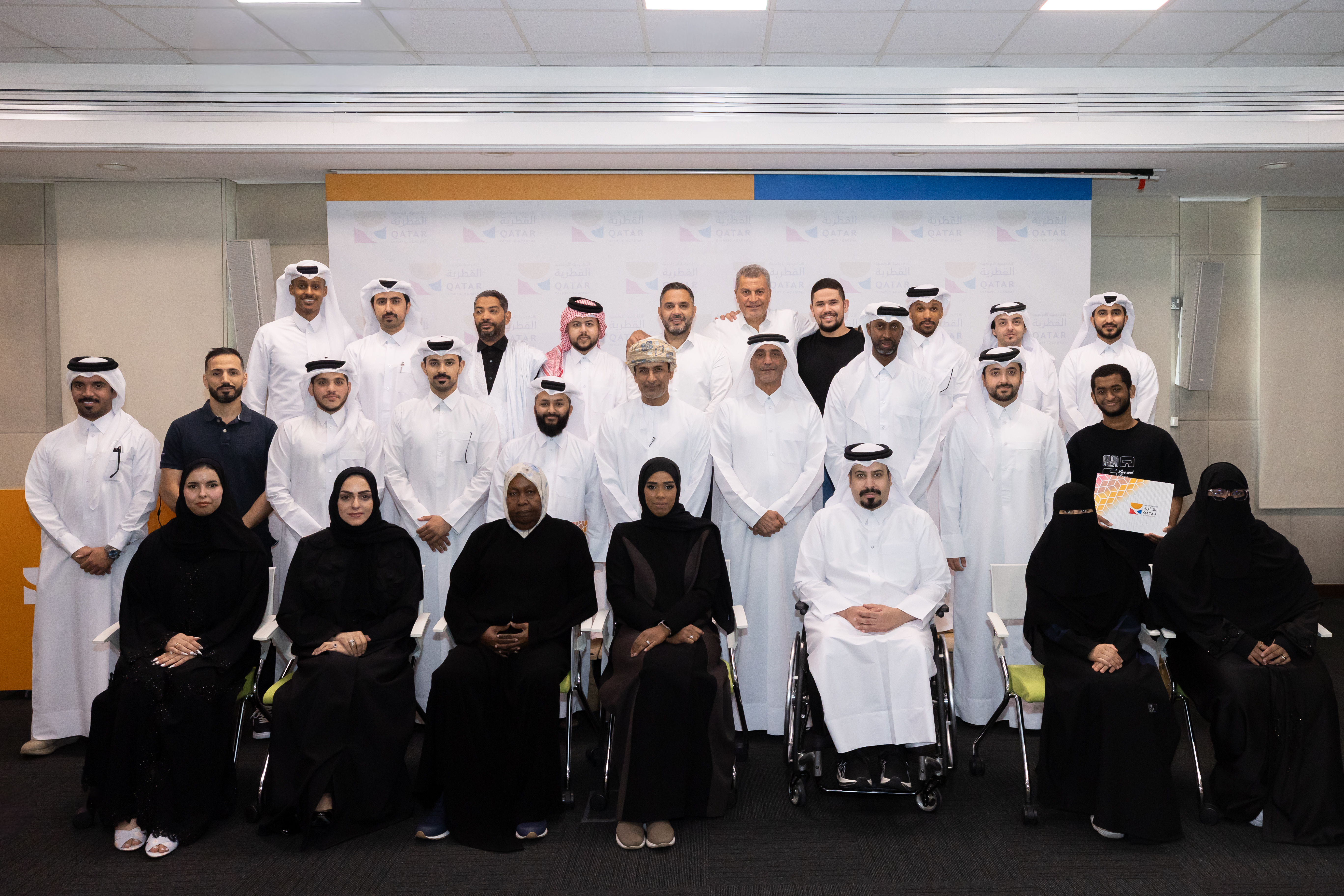
ختام دورة مبادئ الحركة الاولمبية في المنظومة الرياضية
الدوحة: في إطار جهودها المتواصلة لنشر الثقافة الأولمبية وتعزيز مفاهيم الإدارة الرياضية الحديثة، اختتمت الأكاديمية الأولمبية القطرية فعاليات دورة "مبادئ الحركة الأولمبية في المنظومة الرياضية – الإدارة (1)"، والتي أقيمت خلال الفترة من 7 إلى 11 يونيو 2026، وسط مشاركة واسعة تجاوزت الأربعين دارسًا ودارسة من داخل دولة قطر وخارجها، في تأكيد جديد على مكانة الأكاديمية كمركز إقليمي رائد في التعليم الرياضي المتخصص.
الأكاديمية الأولمبية القطرية تقيم دورة "الذكاء الاصطناعي التوليدي لقادة الرياضة"
الدوحة: في إطار توجهها الاستراتيجي نحو مواكبة التطورات العالمية في مجالات التكنولوجيا والابتكار، نظّمت الأكاديمية الأولمبية القطرية دورة نوعية بعنوان «الذكاء الاصطناعي التوليدي للقادة في المجال الرياضي»، وذلك على مدار يومي 3 و4 يونيو، بالتعاون مع شركة Google Cloud، في خطوة تعكس التزامها المستمر بتطوير الكفاءات القيادية في القطاع الرياضي وتعزيز قدراتها على التكيف مع التحولات الرقمية المتسارعة.

الاكاديمية الأولمبية القطرية تعلن عن اجندة دورات وبرامج متنوعة لشهر يونيو
الدوحة: في خطوة جديدة تعكس ريادة دولة قطر في تطوير المنظومة الرياضية وتعزيز الابتكار في مجالاتها المختلفة، دشّنت الأكاديمية الأولمبية القطرية أجندة دوراتها وبرامجها لشهر يونيو المقبل، والتي تتضمن حزمة متكاملة من البرامج التدريبية المتخصصة، تستهدف القادة والمهنيين والعاملين في القطاع الرياضي، وتسهم في رفع كفاءتهم وتعزيز قدراتهم وفق أحدث المعايير الدولية. وتواصل الأكاديمية الأولمبية القطرية، من خلال هذه البرامج، دورها المحوري كمنصة تعليمية رائدة في المنطقة، تجمع بين التأهيل الأكاديمي والتدريب العملي، مع التركيز على أحدث الاتجاهات العالمية، بما في ذلك التحول الرقمي، وإدارة المؤسسات الرياضية، وتطوير الموارد البشرية، بما يعكس التزامها برؤية اللجنة الأولمبية القطرية في بناء كوادر بشرية مؤهلة قادرة على قيادة القطاع الرياضي نحو مستقبل مستدام.