
Doha:
The program consists of three stages so that the first semester (theoretical) is held for a week, the practical application in clubs and sports centers for three months, after which the students return to the class for a week to submit graduation projects.
This level comes after learners have passed the foundational level and the same system as the advanced level over a course of three months.
The Arab Trainers Program is organized by the Qatar Olympic Academy in collaboration with the Center for Community Service and Continuing Education at Qatar University, and with the accreditation of Olympic Solidarity at the International Olympic Committee.
It is worth mentioning that the Academy evaluates this program after the pilot version held several years ago, which aims to identify scientific concepts and basic principles in sports training, methods of measurement and evaluation in the field of sports, in addition to identifying the evaluation of physical numbers programs and laboratories in specialized sports.
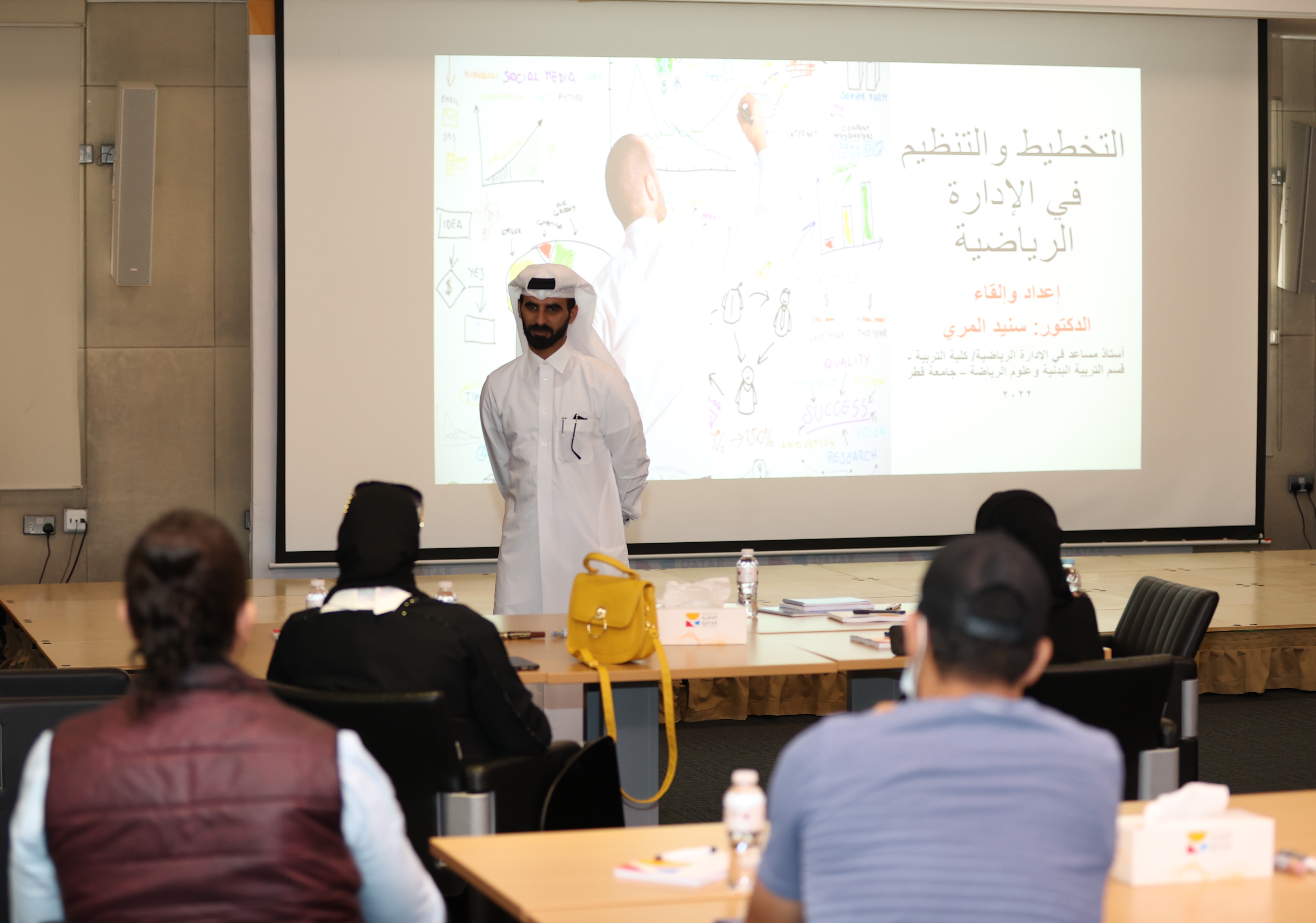
The lectures of this class were presented by Dr. Sneed Al Marri, Assistant Professor in Sports Management, Dr. Suhail Hermasi, Assistant Professor in the Department of Physical Education, as well as Dr. Maha Salami, Assistant Professor in Exercise Physiology at Qatar University Faculty of Education.
First-day lectures in which learners learned about the methods of planning, competition management and organization in sports management.
On the second day, the lectures talked about specialized scientific concepts and advanced and modern methods of sports training as well as the methods of physical numbers and modern laboratories as well as the methods of modern physiological numbers.
On the third day in which the lecturers discussed two important themes, the first of which was on the methods of measurement and evaluation in the field of sports and specialized sports, while the second was about measurement and specialized evaluation of Olympic sports.
On the fourth day, learners learned about the ways and management of competitions and the annual planning of the Olympics, in addition to ways and management of competitions and the annual planning of the Olympic Games.
The lectures concluded on the fifth day with two important themes, the first of which was the planning of training programs in specialized sports, while the second was about evaluating physical, physiological, laboratory and psychological preparation programs in specialized sports.
More news
Conclusion of the Olympic Movement Principles Course in the Sports System
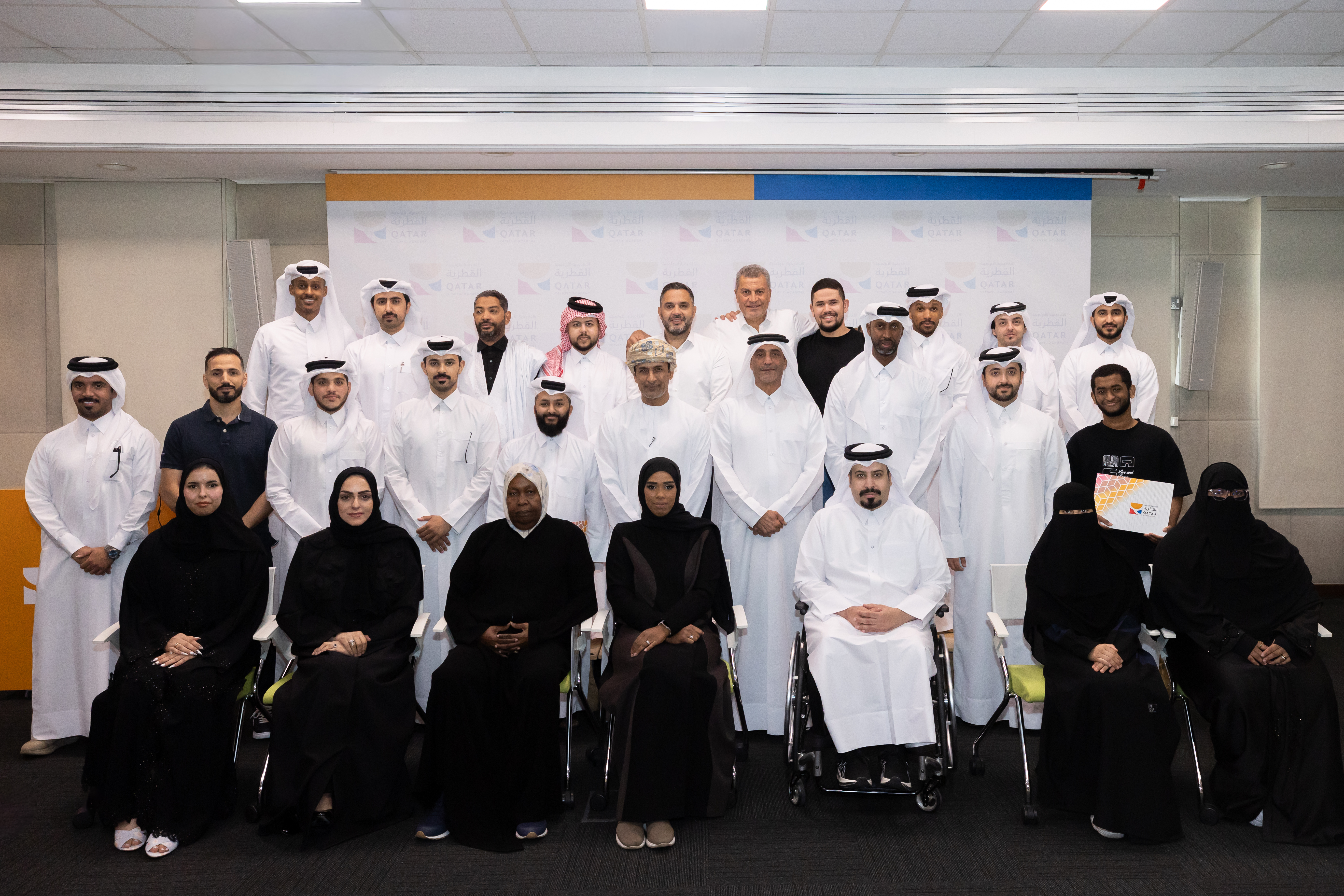
Doha: As part of its ongoing efforts to promote Olympic culture and strengthen modern sports management concepts, the Qatar Olympic Academy concluded the activities of the course “Principles of the Olympic Movement in the Sports System – Management (1)”, held from June 7 to 11, 2026. The program attracted more than forty participants from inside and outside Qatar, reaffirming the Academy’s position as a leading regional center for specialized sports education
Qatar Olympic Academy Hosts “Generative AI for Sports Leaders” Program
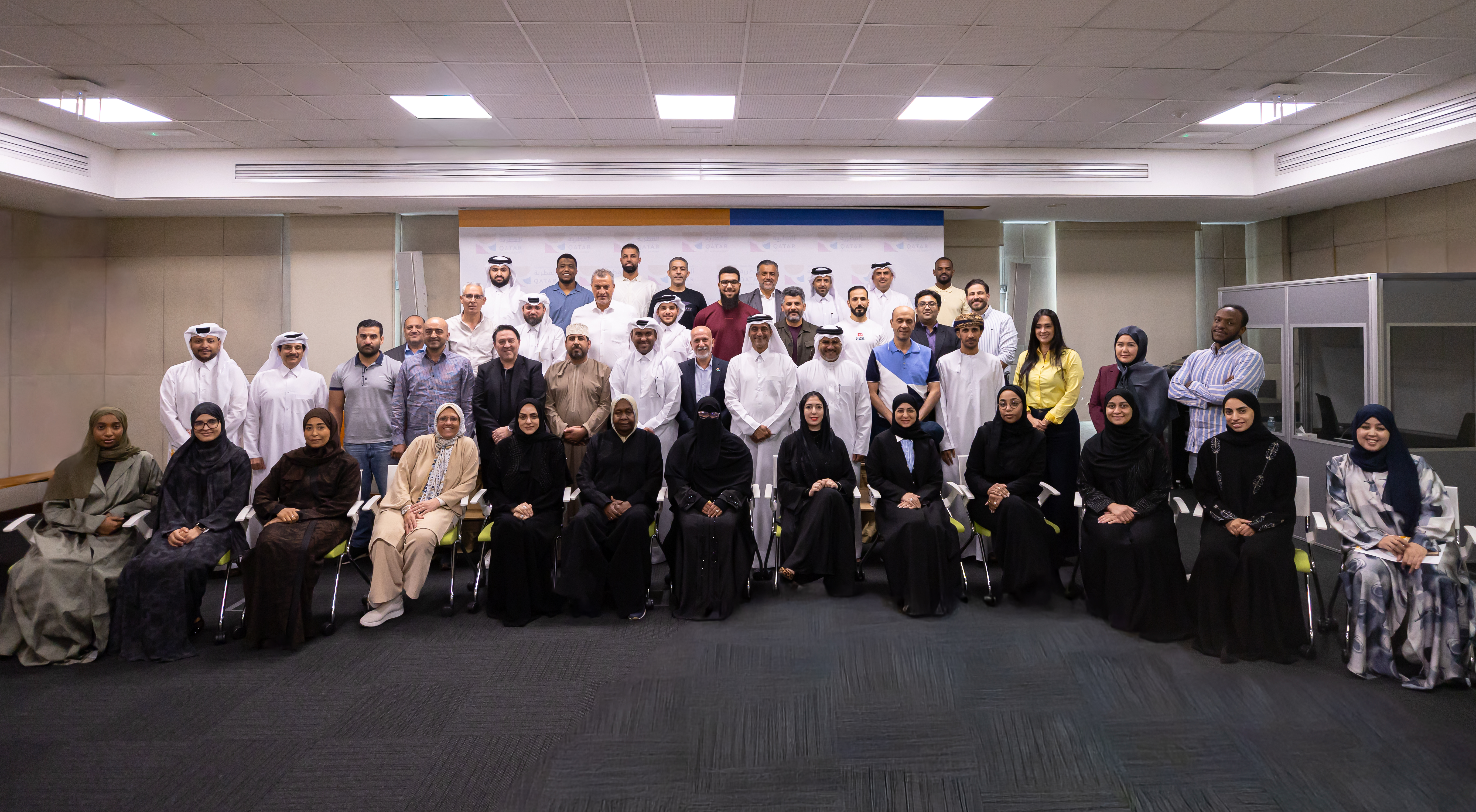
Doha: As part of its strategic direction to keep pace with global advancements in technology and innovation, the Qatar Olympic Academy organized a specialized programme titled “Generative AI for Leaders in Sport” on June 3–4, in collaboration with Google Cloud. This initiative reflects the Academy’s ongoing commitment to developing leadership competencies within the sports sector and enhancing their ability to adapt to rapid digital transformation.
The Qatar Olympic Academy announces a diverse agenda of courses and programs for June.
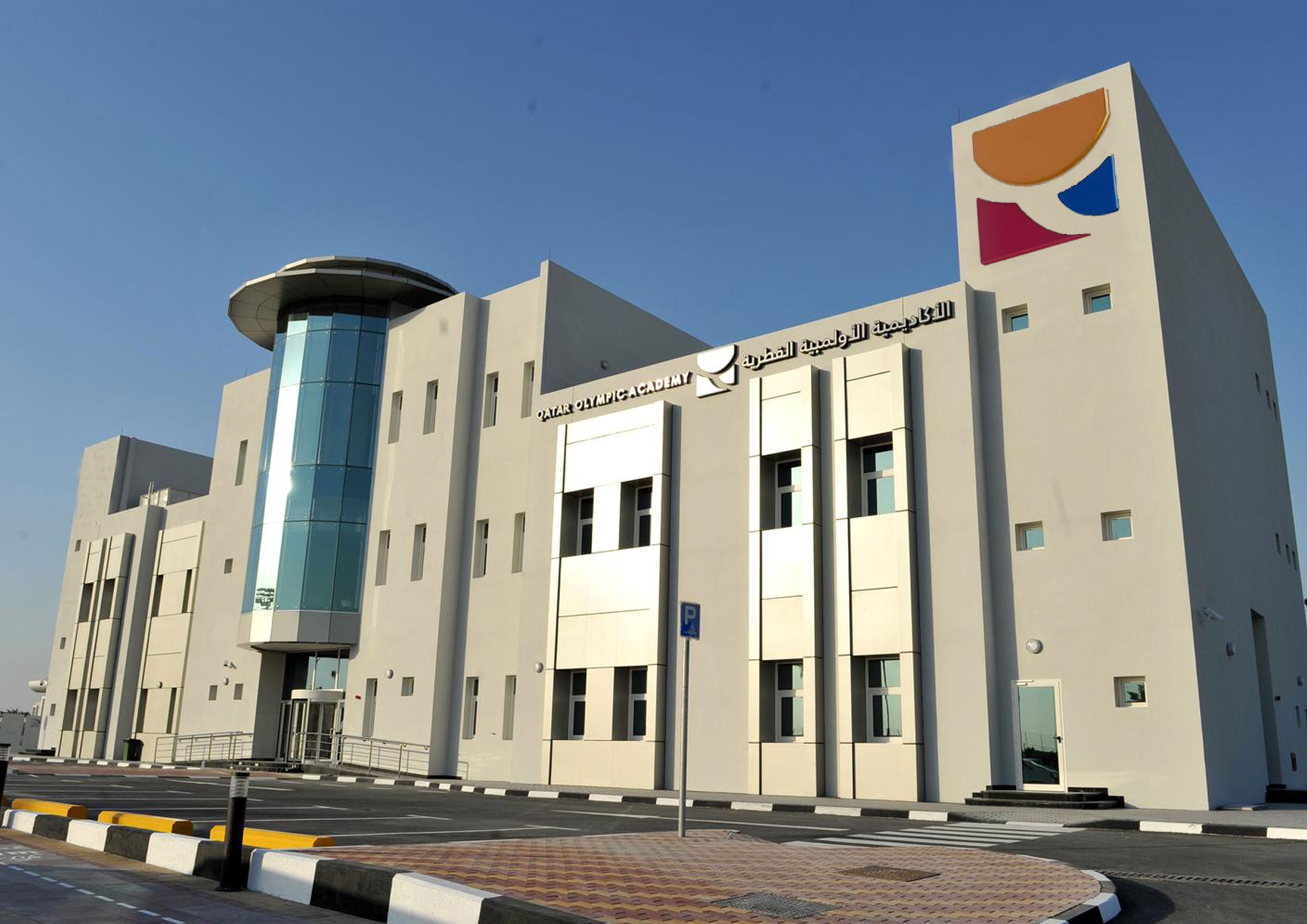
Doha: In a new step that reflects Qatar’s leadership in developing the sports system and fostering innovation across its various fields, the Qatar Olympic Academy has launched its agenda of courses and programs for June. The agenda features a comprehensive package of specialized training programs targeting leaders, professionals, and practitioners in the sports sector, aimed at enhancing their efficiency and strengthening their capabilities in line with the latest international standards.